
Education and the Making of Citizens
The Social ContractThis flow connects political virtue to the formation of citizens, tracing how public education is presented as a long-term foundation of legitimate government.
increasing Bearing strength in each event
 decreasing
Bearing strength in each eventdecreasingLaws Cannot Make Citizens Instantly

Laws Cannot Make Citizens Instantly
A Long Preparation
Rousseau argues that citizens do not appear through a single decree. Political character takes shape over time through habits and instruction.
The State’s Interest
Education matters not only to families but to the enduring community. The State experiences the consequences of how its young are formed.
Particular Attachments Redirected

Particular Attachments Redirected
From Self to Community
Rousseau imagines children learning to see themselves as members of a wider political whole. Attachment to fellow citizens can give self-concern a public direction.
A Risky Formation
Such education may strengthen shared purpose, but it requires institutions to shape feeling as well as knowledge. The proposal places civic unity at the heart of political life.
Public Schooling Proposed
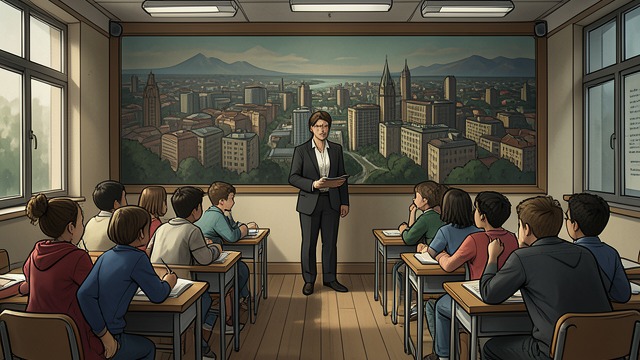
Public Schooling Proposed
The State as Educator
Rousseau argues that public education under civic authorities can form people in common laws and obligations. It aims to cultivate citizens rather than merely instruct private individuals.
Shared Examples
Children are to encounter public models of duty and mutual belonging. The school becomes an institution for reproducing the political community across generations.
Virtue Requires Practice
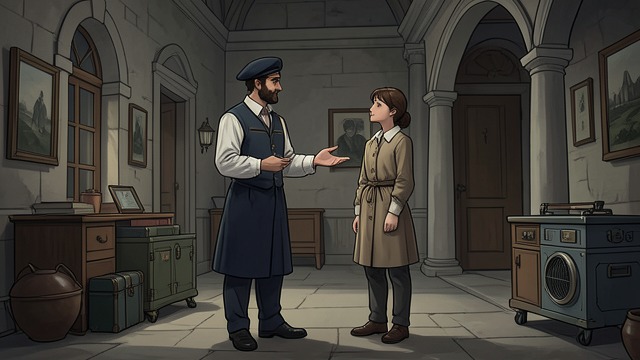
Virtue Requires Practice
Teaching by Conduct
Instruction fails when authority lacks the example that gives its lessons credibility. Rousseau therefore connects civic education to the character of magistrates and teachers.
Generational Continuity
The aim is to form future citizens and officials who can preserve the common institutions. Education is a political process whose results unfold slowly.
Liberty Depends on Citizens
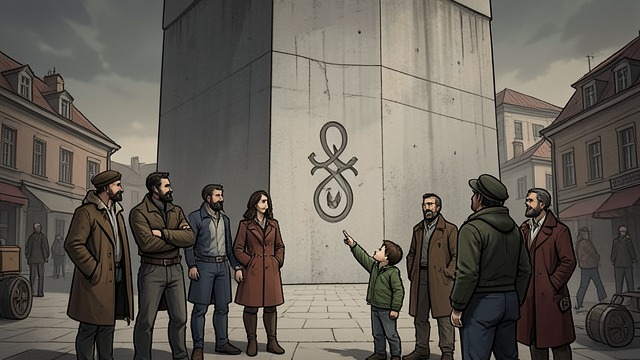
Liberty Depends on Citizens
A Chain of Conditions
Rousseau concludes that patriotism depends on liberty, liberty on virtue, and virtue on citizens. Political institutions cannot thrive without people capable of sustaining them.
The Foundational Task
Education is therefore not an ornament to government but part of its material basis. Without citizens, public authority produces subjects rather than a free community.
Discourse on Political Economy, in its discussion of civic formation
Discourse on Political Economy, before the proposal for common schooling
Discourse on Political Economy, near the discussion of legitimate government
Discourse on Political Economy, in the account of instruction and example
Discourse on Political Economy, at its conclusion on civic foundations
